Sound Instruction
  • Home
  • What's New
  • The Basics of Sound
    • The Nature of Sound
    • Acoustics
    • Microphones
    • Loudspeakers >
      • Loudspeakers - Continued
    • Amplification
    • Understanding Alternating Current
    • Circuit Values
    • Amplifier Arrangements
    • Transistors
    • Interstage Coupling
    • Noise
    • Distortion Effects
    • Using an Oscilloscope
    • Frequency Response
    • Power Amplification
    • Phase Splitting Circuits
    • Audio Transformers
    • Distortion
    • Shielding
    • Cabling
    • Electro-Acoustics
    • Audio & Hearing
  • Microphone Types
  • Mic Placement
  • Gain Structure
  • Demystifying The Mixing Console
  • Equalization
  • Compression
  • The Ins & outs
  • The Sub Bus
  • The Voicing Concept
  • Reverb
  • Good Habits
  • Psychoacoustics
  • Stage Isolation & Drum Booths
  • System Feedback
  • System Noise & Hum
  • Electronic Repair
  • Speakers
  • Tips & Tricks
  • Noise Gates
  • Mixing 101 & Beyond
  • DIY Projects
  • Digital Audio Basics
  • Stage Lighting
    • Lighting Basics
    • Brightness
    • Color
    • Controls
    • Smoke
  • Books
    • Yamaha Sound Reinforcement Handbook
    • Sound Recording & Production
    • The Art of Record Production
    • Recording & Production of Sound
    • BBC - Microphones
    • Microphones - 3rd Edition
    • How To Build A Small Studio
    • Acoustic Techniques for Home & Studio
  • The Blog
  • References Page

Have We Really Improved?

7/23/2017

0 Comments

 
Disclaimer: No, I'm not saying all new records are terrible, and all old records are great.  That's not what I'm saying...

It's Not Getting Any Better

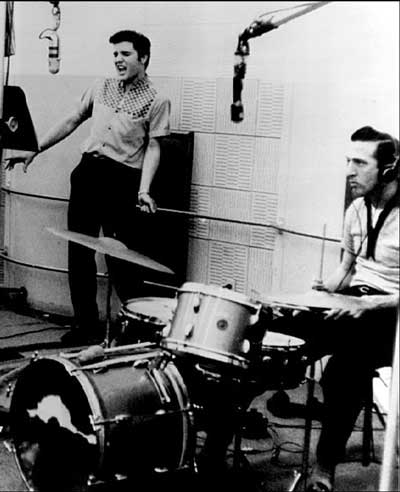
I was talking to my kids last night about music and recording over a boiling pot of spaghetti.  We were talking about how beautifully old music was recorded back in the day.  There is a difference.  

You know what, no matter how much technology has given us nice tools, it has also given us a lot of substandard records over the years.  I have found myself being tempted into thinking that I have to have the latest and greatest gear to make a good record.  The truth is, you have to have great songs, well written, decent pre-production, great musicians with good sounding instruments, and an engineer with a great set of ears with experience to know what to do with what he/she hears.  

Listen, I get it.  I myself have been very thankful to be in a studio actually working, and even more thankful to have something like Melodyne to bail me out of folks who couldn't sing in tune.  Musicians are lazy. I know.  I'm a lazy musician myself.  Now all you have to do is look good and shake your butt, and you've got a job. I'll never make it in this business with those kind of needed qualifications.  Ha!

​Technology.  The great perpetuator of....oh nevermind.

Anyway, that brings me to my main part of this blog post.  As an engineer, take pride in your work. Work hard.  Know your stuff.  Read, read, and read some more.  Track and mix everything you can get your hands on.  Learn from the older cats that's been in this business for years.   
There's an old saying that says "Give a great engineer an SM-57 and a tape recorder, and he'll turn out a great album."  I'd rather have an EV 635, but I totally get the sentiment.

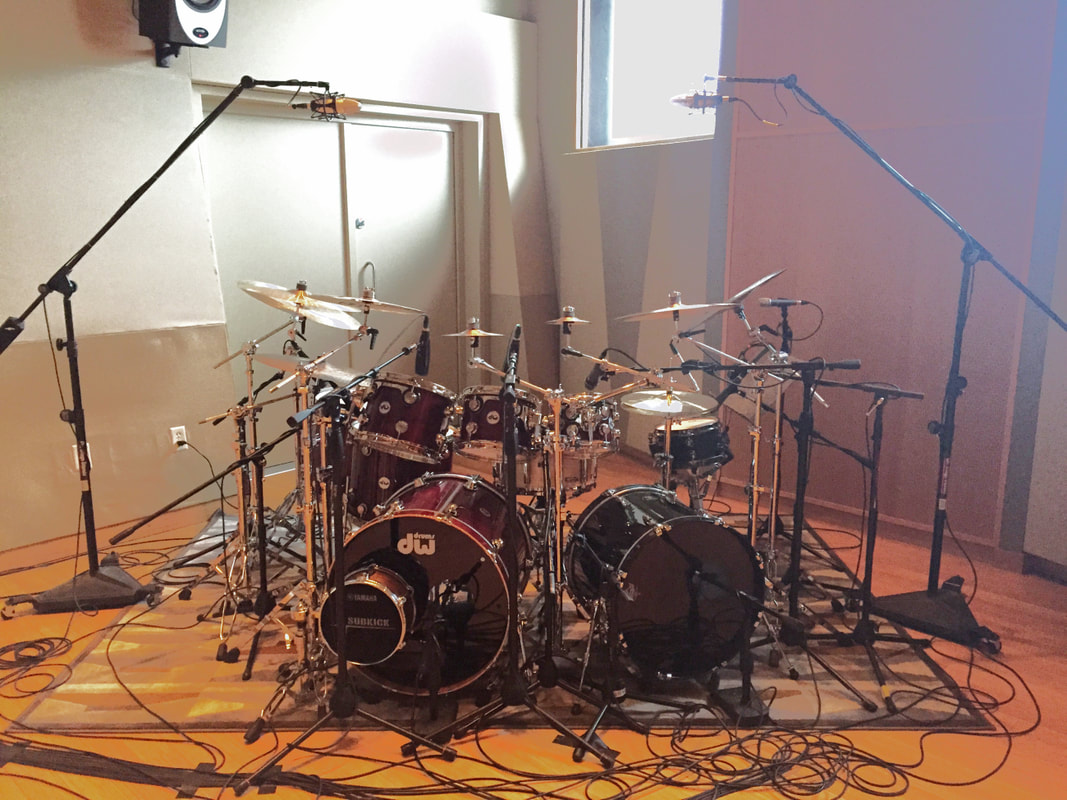
Nowadays it's give me the following, and I can make a good record: 
A full Pro-Tools rig
Top of line of the latest & greatest plugins
The most expensive microphones I can't afford
A pair of Genelecs (are Genelecs a thing still) - maybe some Barefoots
An outboard summing device
Some Avalon & Manley tube pres
Blah, blah, blah

There's nothing wrong with having great gear.  If you think I'm saying the opposite, you're missing my point.

If the song is weak, you have lazy musicians, and amazing gear - you have.....well you have what we have had in the last 20 years.  

No one get all huffy and freak out on me.  I know it's a super over-generalized statement.  

Yes, there have been a few really great albums in the last few years, but the bad most definitely outweigh the exceptional.  If it didn't, you wouldn't be rolling through the radio channels when you get in your car every 2nd song looking for something you like listening to.  But we're used to that these days, and I guess it's the new normal.
If the song is weak, you have lazy musicians, and amazing gear - you have.....well you have what we have had in the last 20 years.

I leave you with this.  I don't even normally listen to this type of music, but my goodness, the engineering is so beautiful, and with none of the technology we have now (listen with headphones):

Wait, where's the massive kick drum?  And why is the song only three and a half minutes long?  Wait, he sang that in tune without autotune?  It was recorded with just a few microphones?  No automation?  None of that?  Yes, yes that's right.  And what about editing?  No editing on a DAW?  Nope. A razor knife, a splicing/editing block, and some reel to reel tape - and editing was on exception...not the saving grace of a record. 

0 Comments

Your comment will be posted after it is approved.


Leave a Reply.


    Do you like vintage recording gear and articles?  You should visit our sister site: The Vintage Audio Portal!


    **Advertise With Us! We have thousands of visitors a day. Contact us here to learn more.

    Archives

    August 2021
    December 2019
    August 2019
    December 2018
    November 2017
    August 2017
    July 2017
    June 2017
    May 2017
    March 2017
    February 2017
    December 2016
    November 2016
    September 2016
    August 2016
    July 2016
    June 2016
    May 2016
    March 2016
    February 2016
    January 2016
    December 2015
    November 2015
    October 2015
    September 2015
    August 2015
    July 2015
    June 2015
    May 2015
    April 2015
    March 2015
    February 2015
    January 2015
    December 2014
    November 2014


    Categories

    All


Powered by Create your own unique website with customizable templates.
  • Home
  • What's New
  • The Basics of Sound
    • The Nature of Sound
    • Acoustics
    • Microphones
    • Loudspeakers >
      • Loudspeakers - Continued
    • Amplification
    • Understanding Alternating Current
    • Circuit Values
    • Amplifier Arrangements
    • Transistors
    • Interstage Coupling
    • Noise
    • Distortion Effects
    • Using an Oscilloscope
    • Frequency Response
    • Power Amplification
    • Phase Splitting Circuits
    • Audio Transformers
    • Distortion
    • Shielding
    • Cabling
    • Electro-Acoustics
    • Audio & Hearing
  • Microphone Types
  • Mic Placement
  • Gain Structure
  • Demystifying The Mixing Console
  • Equalization
  • Compression
  • The Ins & outs
  • The Sub Bus
  • The Voicing Concept
  • Reverb
  • Good Habits
  • Psychoacoustics
  • Stage Isolation & Drum Booths
  • System Feedback
  • System Noise & Hum
  • Electronic Repair
  • Speakers
  • Tips & Tricks
  • Noise Gates
  • Mixing 101 & Beyond
  • DIY Projects
  • Digital Audio Basics
  • Stage Lighting
    • Lighting Basics
    • Brightness
    • Color
    • Controls
    • Smoke
  • Books
    • Yamaha Sound Reinforcement Handbook
    • Sound Recording & Production
    • The Art of Record Production
    • Recording & Production of Sound
    • BBC - Microphones
    • Microphones - 3rd Edition
    • How To Build A Small Studio
    • Acoustic Techniques for Home & Studio
  • The Blog
  • References Page