Sound Instruction
  • Home
  • What's New
  • The Basics of Sound
    • The Nature of Sound
    • Acoustics
    • Microphones
    • Loudspeakers >
      • Loudspeakers - Continued
    • Amplification
    • Understanding Alternating Current
    • Circuit Values
    • Amplifier Arrangements
    • Transistors
    • Interstage Coupling
    • Noise
    • Distortion Effects
    • Using an Oscilloscope
    • Frequency Response
    • Power Amplification
    • Phase Splitting Circuits
    • Audio Transformers
    • Distortion
    • Shielding
    • Cabling
    • Electro-Acoustics
    • Audio & Hearing
  • Microphone Types
  • Mic Placement
  • Gain Structure
  • Demystifying The Mixing Console
  • Equalization
  • Compression
  • The Ins & outs
  • The Sub Bus
  • The Voicing Concept
  • Reverb
  • Good Habits
  • Psychoacoustics
  • Stage Isolation & Drum Booths
  • System Feedback
  • System Noise & Hum
  • Electronic Repair
  • Speakers
  • Tips & Tricks
  • Noise Gates
  • Mixing 101 & Beyond
  • DIY Projects
  • Digital Audio Basics
  • Stage Lighting
    • Lighting Basics
    • Brightness
    • Color
    • Controls
    • Smoke
  • Books
    • Yamaha Sound Reinforcement Handbook
    • Sound Recording & Production
    • The Art of Record Production
    • Recording & Production of Sound
    • BBC - Microphones
    • Microphones - 3rd Edition
    • How To Build A Small Studio
    • Acoustic Techniques for Home & Studio
  • The Blog
  • References Page

COOL SLEEPER MICS: PART TRES (I THINK)

10/30/2015

0 Comments

 
Picture
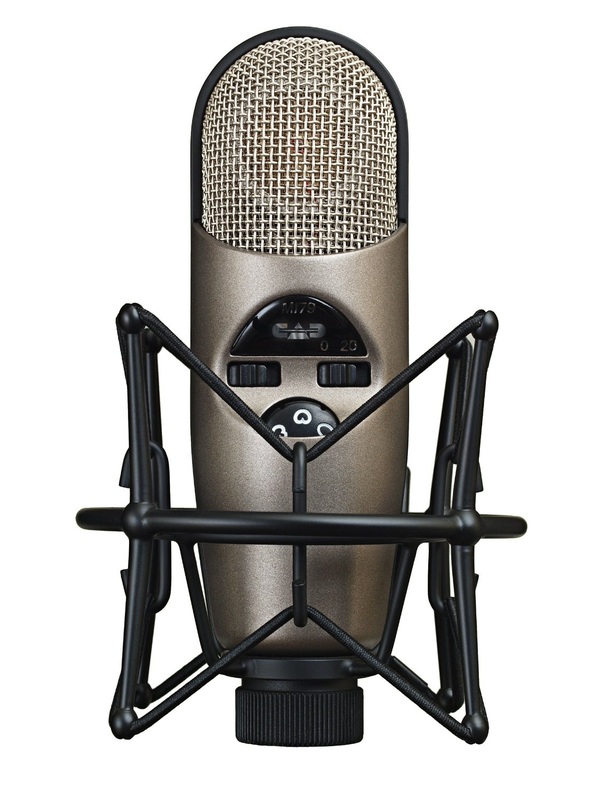
CAD M179
If you are in the market for an affordable condenser microphone that can handle a variety of jobs with ease, you may wanna take a looksie at the CAD M179.  Although I am not necessarily a fanboy of all CAD products, the M179 is a true little jewel of a mic.    

Uses:  Allot of engineers like this as a drum overhead microphone, but it can be used on just about anything.  The CAD M179 can take up to 143 decibels (with the pad enabled), so you can even throw it in front of loud sources - like a guitar amplifier.

Features:  
The M179 has a continuously variable polar pattern selector - basically this means that you can select a Hypercardioid, Cardioid, Figure of 8, or Omni - and everything in between those patterns as well!  This ability makes this microphone very versatile.  It also features a Pad and a High-Pass filter to boot.  

Price:  At $199 street, this microphone is a steal - especially if you need something inexpensive for events like live festivals, or other duties where you'd rather not bring out your more expensive microphones.


0 Comments

Your comment will be posted after it is approved.


Leave a Reply.


    Do you like vintage recording gear and articles?  You should visit our sister site: The Vintage Audio Portal!


    **Advertise With Us! We have thousands of visitors a day. Contact us here to learn more.

    Archives

    August 2021
    December 2019
    August 2019
    December 2018
    November 2017
    August 2017
    July 2017
    June 2017
    May 2017
    March 2017
    February 2017
    December 2016
    November 2016
    September 2016
    August 2016
    July 2016
    June 2016
    May 2016
    March 2016
    February 2016
    January 2016
    December 2015
    November 2015
    October 2015
    September 2015
    August 2015
    July 2015
    June 2015
    May 2015
    April 2015
    March 2015
    February 2015
    January 2015
    December 2014
    November 2014


    Categories

    All


Powered by Create your own unique website with customizable templates.
  • Home
  • What's New
  • The Basics of Sound
    • The Nature of Sound
    • Acoustics
    • Microphones
    • Loudspeakers >
      • Loudspeakers - Continued
    • Amplification
    • Understanding Alternating Current
    • Circuit Values
    • Amplifier Arrangements
    • Transistors
    • Interstage Coupling
    • Noise
    • Distortion Effects
    • Using an Oscilloscope
    • Frequency Response
    • Power Amplification
    • Phase Splitting Circuits
    • Audio Transformers
    • Distortion
    • Shielding
    • Cabling
    • Electro-Acoustics
    • Audio & Hearing
  • Microphone Types
  • Mic Placement
  • Gain Structure
  • Demystifying The Mixing Console
  • Equalization
  • Compression
  • The Ins & outs
  • The Sub Bus
  • The Voicing Concept
  • Reverb
  • Good Habits
  • Psychoacoustics
  • Stage Isolation & Drum Booths
  • System Feedback
  • System Noise & Hum
  • Electronic Repair
  • Speakers
  • Tips & Tricks
  • Noise Gates
  • Mixing 101 & Beyond
  • DIY Projects
  • Digital Audio Basics
  • Stage Lighting
    • Lighting Basics
    • Brightness
    • Color
    • Controls
    • Smoke
  • Books
    • Yamaha Sound Reinforcement Handbook
    • Sound Recording & Production
    • The Art of Record Production
    • Recording & Production of Sound
    • BBC - Microphones
    • Microphones - 3rd Edition
    • How To Build A Small Studio
    • Acoustic Techniques for Home & Studio
  • The Blog
  • References Page